

CHUB FISHING – THE ULTIMATE GUIDE
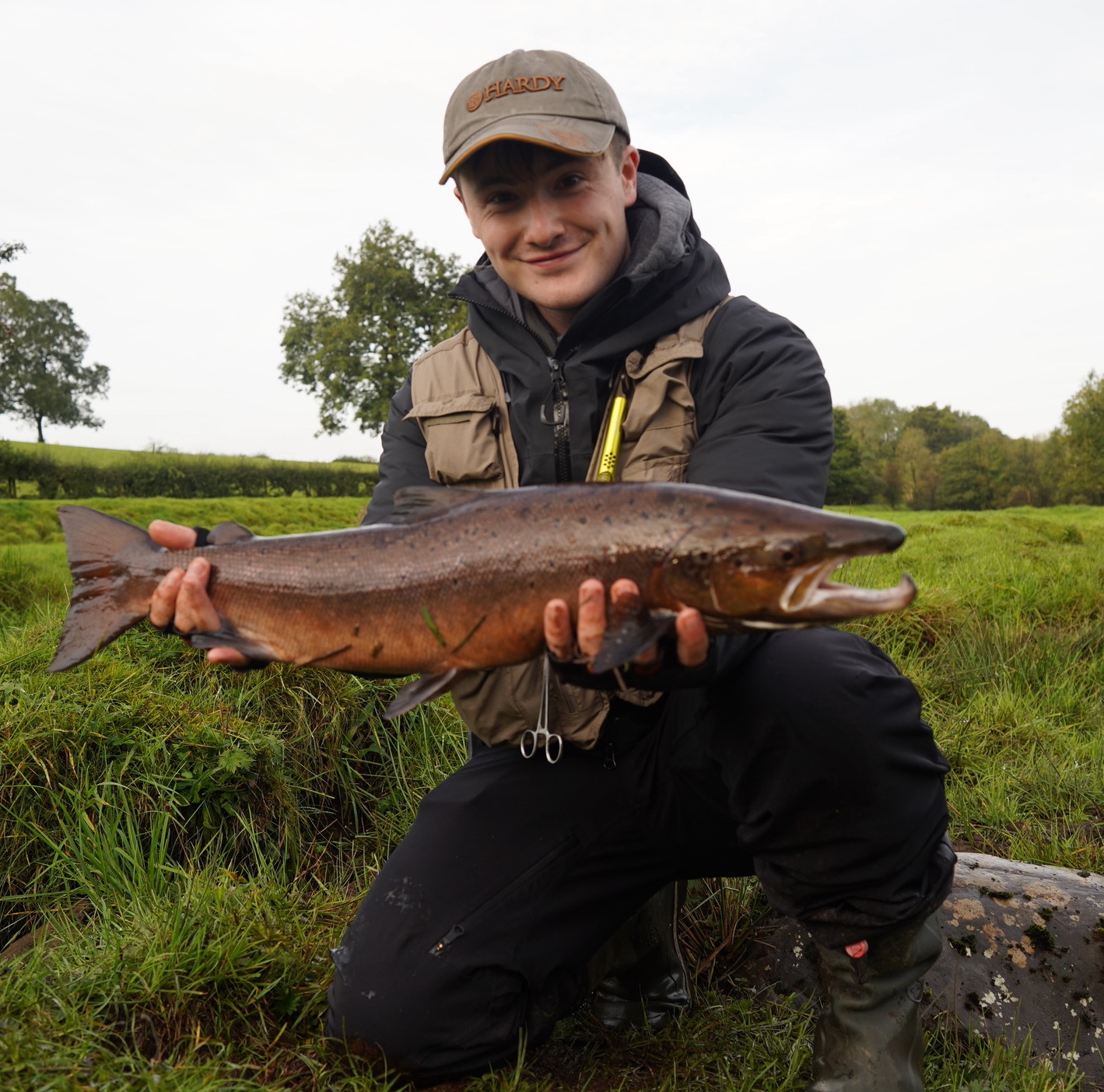
Chub are known to be one of the most elusive coarse fish in the UK. Known as the freshwater mullet, Chub are spooked with ease, making for a challenging and rewarding fish to target.
Chub in the UK are a member of the carp family, which are known as Cypronids, and its Latin name is Leuciscus Cephalus. Currently, the British chub record stands at 9lb 5oz and was caught in a ‘Southern Stillwater’ back in 2007 and in Europe, the record is over 12 lbs 8oz.
In today’s article, we will provide you with background information on the chub, discussing specifically how to catch them, the best baits and methods to use, and where they are commonly found. Once you’ve read this article, you will have all the necessary information to get out and land your first chub.
About The Species
Appearance
Chub are known for their distinctive squared head. They have green and brown colourations across their back, a white underbelly, and a silver or gold colouration along their flanks. They have thick lips, a blunt snout, and large fins.

Commonly misidentified with Dace, they have rounded convex rear edges on their fins, which is a key distinction, as well as the arrangement of their pharyngeal teeth. It is also much larger than dace and has redder fins. Chub grow very slowly but have been known to live to over twenty-two years of age.
Spawning
The Chub’s IUCN status is currently ‘LC’ meaning they are of the least concern. They tend to spawn between the period of May to September when temperatures in the water rise to over fourteen degrees celsius.
The chub eggs are fertilised over the top of shallow riffles or gravel beds, where they will lay for one to two weeks before hatching. Females are known to spawn more than once per season but high oxygen levels are essential. Male fish will move into spawning grounds and chase females which can be seen by anglers due to the large commission caused in the water.
Size
As mentioned, chub are extremely slow growers, however, they can live to be over twenty-two years old, meaning 8lb/60 cm fish are a possibility but extremely rare. The average weight of a chub is 3-4lb and the average length of a chub is between 35 – 40cm. In the UK anything over 6lb would be considered a trophy fish.
How To Catch a Chub
The Short Answer
Chub can be caught using a one-inch slice of sardine; they are more commonly found in river systems with gravel beds and undercut banks, using a rod with a test curve of 1.25 lb, paired with a main line of 6 lb with a hook length of 4-5. The best rig is a link ledger rig, however, if the swim is flowing fast a sliding ledger rig will be needed. Cast gently into the water avoiding making excess noise, when hooked you may need to bully the chub from diving into a snag.
Best Baits
Chub can be caught on a large selection of baits. One of the most common baits for chub is sardine. Sardines are common baits as they can be picked up for cheap at large superstores.
They are soft and disintegrate in the water, putting out a fish oil cloud that attracts chub, but it would be best to use them with bait elastic as they can come off the hook relatively easily.

Another popular bait is a small section of lamprey. Lamprey is an extraordinary bait in the UK because of its toughness, and more importantly, it releases blood into the water slowly, meaning the bait’s scent stays for longer in comparison to other common bait choices.
Lamprey can be ordered from most online bait retailers in the UK. An inch long is best for catching chub and avoiding hooking larger predators like pike.
A common practice is to prebait your swim with canned spam. Simply opening a can and spreading it throughout the swim is the perfect way to attract chub as well as getting them feeding. Avoid over-chumming the water as this will deter the fish from taking your bait.
Boilies also work well for chub; specifically, the Scopex Squid is recommended.
Furthermore, if you’re fishing in a swim that has clear water and is not turbulent, a hook with a couple of maggots on the end can work well. Alternatively, if you’re fishing in a swim that has turbulent, murky water, bigger baits are essential, and two-inch baits are the preferred choice.
Another popular bait for chub is known as the ‘medusa rig’. This is several worms on one hook, drastically increasing the movement in the water and working fantastically in the winter.
Another popular choice of chumming the water is a common tactic stemming from mullet fishing. Simply take a loaf of bread, mush it up in a bucket, and ladle it into the swim. This creates a cloud of bread particles in the water and can churn up a feeding frenzy with ease.
Furthermore, cheese, sweetcorn, brandling, slugs, and berries can also make great baits for chub.
Best Locations
Chub are commonly found in rivers but can also be found in lakes. It is best to look for gravel and silt river beds as these are the preferred habitats of chub.
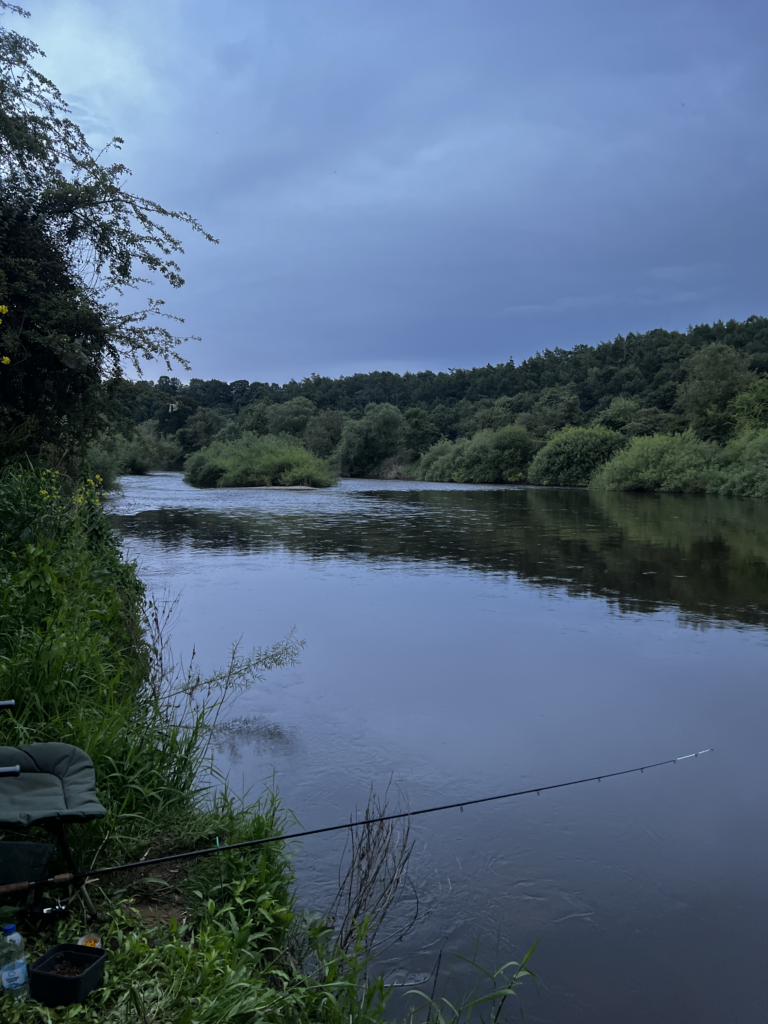
At small sizes, they usually shoal together and mix with roach and rudd, however, they tend to separate when they grow older. Undercut banks are the ideal location for targeting chub in winter, as well as large weed banks.
Chub tend not to sit in fast-flowing waters, therefore, it is best to search for a section of stagnant water in the river and fish it. They also tend to be prevalent in the creases of the main flow of water.
It should be noted that chubb may be easily spooked and therefore, when approaching slow-moving water bodies, do so with care, ensuring your shadow does not move across the water and minimal noise is made.
Methods
There are numerous methods used to catch chub. For the purpose of this article, we will cover the most efficient and popular methods.
Firstly, trotting is a very common method for chub fishing. It involves taking your stick float and strategically placing it amongst snags and reed beds, hoping to encourage a bite as well as continually feeding your swim with maggots and bread to attract them towards you.
One of the most difficult but rewarding ways to land a chub is by floating bread on the surface of the water. Chub will strike the bread and swallow it top water, which is a real thrill for sport anglers.
A rod with a test curve of 1.25 lb, paired with a main line of 6 lb with a hook length of 4-5lb is more than enough to handle the power of a chub. The most common rig is a link ledger rig; however, if the water’s running heavy, then a running ledger rig is more effective. It’s always best to use the least amount of weight as possible, but sometimes with the harsh rainfall, it’s not always ideal, and a heavier weight is required to keep your bait in place.
Playing and landing a chub will cause enough commotion in the water that will make it unlikely to catch another from the same swim anytime soon; however, move upstream from the river and then back down after twenty minutes for another go at it.
Playing a chub can be challenging as they dive for the closest snag. Due to this tendency, you need to be ready to bully the fish up into the main body of water to safely land it.
Tips & Tricks
Smell is essential in coloured waters, therefore, sardines, mackerel, lamprey, maggots, and earthworms are the go-to choices for cloudy, murky areas. It is also common practice to face the fish away from your swim when you go to release it, preventing it from spooking the rest of the fish in your area.
A less common practice, but one many UK anglers have found to be extremely beneficial, is to use an entire slug as bait. A size six hook is ideal for this method, and it is usually used when the more traditional baits aren’t as effective.
When fishing in clear water, it is best to spend fifteen minutes walking up the river and baiting it with vibrant cheese paste. Once you return to the areas you baited, it may be possible to sight fish for the chubb feeding on your paste. Although we’ve mentioned it before, one of the go-to tips for Chub fishing is to tread lightly. They are extremely easy to spook, therefore, avoid making noise at all costs.
Keep a distance away from the river to ensure your shadow does not spook the fish and ensure to limit your casting over the water.
Finally, colour matters. Many anglers will experiment with the choice of colour they use to land chubb. Some days red maggots work better over traditional baits, and some days various forms of fluorescent cheese can work better. It’s always best to find what works best for you in your area.
The Final Word
Overall, chub fishing is a competitive angling practice, known for easily spooking, the chub is a challenging fish to land and is prized by many anglers all over the UK. In order to successfully land your first chub, you must learn the intricacies of how to approach your swim, pre-bait it, and tackle the issues that arise when battling these hardy fish. We hope that this article has taught you the necessary information to get out there and land your first chub. Until next time, tight lines!